

The Secret to Keeping Your Lifted Truck From Unwanted Repairs
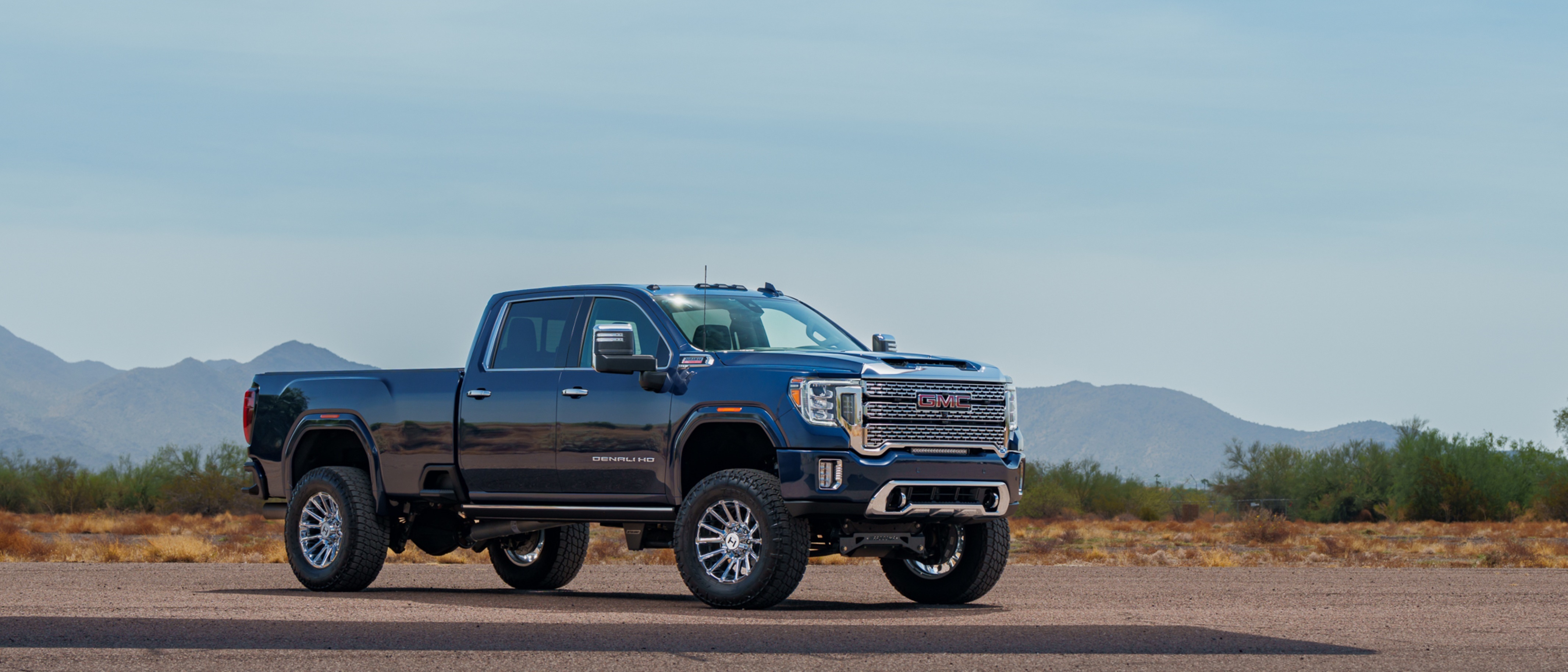
There is no denying the appeal of a towering, aggressive lifted truck on the road. Whether you are eyeing one of our used lifted trucks for its off-road capabilities or simply because nothing beats the view from a high end luxury custom 4x4, we completely understand that owning a lifted pickup is a statement.
However, that added height changes more than just your perspective. It can actually alter the mechanical geometry and overall structure of your pickup. The "secret" to avoiding the dreaded shop visit isn't magic, luck, hope or prayers. It's understanding that lifted truck maintenance requires a proactive approach that differs from a standard stock pickup.
When you install a lift kit, you are asking factory components to work at angles and under stresses they weren't originally designed for. This doesn't mean a lifted truck is unreliable, but it does mean that small issues can snowball into expensive repairs much faster if ignored.
For instance, the increased angle on your U-joints and CV axles puts constant pressure on the needle bearings and boots. A simple monthly visual inspection of these drivetrain components can save you from a catastrophic failure on the highway. If you spot a torn boot or a spray of grease early, a relatively inexpensive part replacement prevents you from having to replace the entire axle or driveshaft later. And trust us, that is something future you will be thanking past you for doing.
Another critical factor in maintaining the longevity of your lifted truck is the relationship between your tires and your steering rack. Most custom builds feature significantly larger, heavier tires that look incredible but act like giant levers against your tie rods and ball joints.
Every bump in the road sends a high torque shock through the steering system. To combat this, steering stabilizers are a great investment, but the real secret is frequent lubrication. Many high quality aftermarket lift kits come with "Zerk" fittings on the control arms and ball joints.
While modern factory trucks are often "lubed for life," a custom 4x4 needs fresh grease every few thousand miles to clean out road salt, mud, and other moisture that can lead to the "death wobble" and other steering problems.
The Precision of Alignment and Re-Torquing
If you want to keep your repair bills as low as possible, you have to treat your alignment as a priority rather than an afterthought. Because a lift kit moves the center of gravity and alters the caster and camber, even a minor curb hit can throw your alignment out of spec.
Misalignment on a truck with 35-inch or 37-inch tires will "feather" your tread in a matter of weeks, potentially wasting a $2,000 set of tires at the speed of light. We recommend getting an alignment check every six months or immediately after any heavy off-roading sessions. This ensures that your tires wear evenly and that you aren't putting unnecessary stress on your wheel bearings or anywhere else.
Not to mention, a secret that many new owners overlook is the "break in" period of a new or used lift.
Suspension components are held together by massive bolts that are subject to vibration and settling. After the first 500 miles of driving a freshly lifted truck, or even one you just bought off the lot, every major bolt on the suspension should be re-torqued to spec. We are talking about the U-bolts, the track bar bolts, the control arm hardware—EVERYTHING! A slightly loose bolt allows for "micro movement," which eventually ovals out the mounting holes in your frame or brackets, which is a repair that often requires expensive welding or fabrication to fix (keyword: EXPENSIVE!)
- Grease Your Fittings: Every oil change, ensure your mechanic (or you) hits every grease point on the aftermarket suspension to keep joints moving freely.
- Check Your Torque: Periodically put a wrench on your U-bolts and track bar to ensure nothing has vibrated loose from the road.
- Monitor Your Brakes: Larger tires require more force to stop; inspect your pads and rotors more frequently than the manufacturer's manual suggests.
- Flush Your Differentials: Lifted trucks often see more mud and water; check your differential fluid for milkiness (water contamination) annually.
- Rotate Early: Move those heavy tires every 3,000 to 5,000 miles to ensure the tread blocks don't develop a "sawtooth" pattern that causes noise and vibration.
Protecting Your Investment for the Long Haul
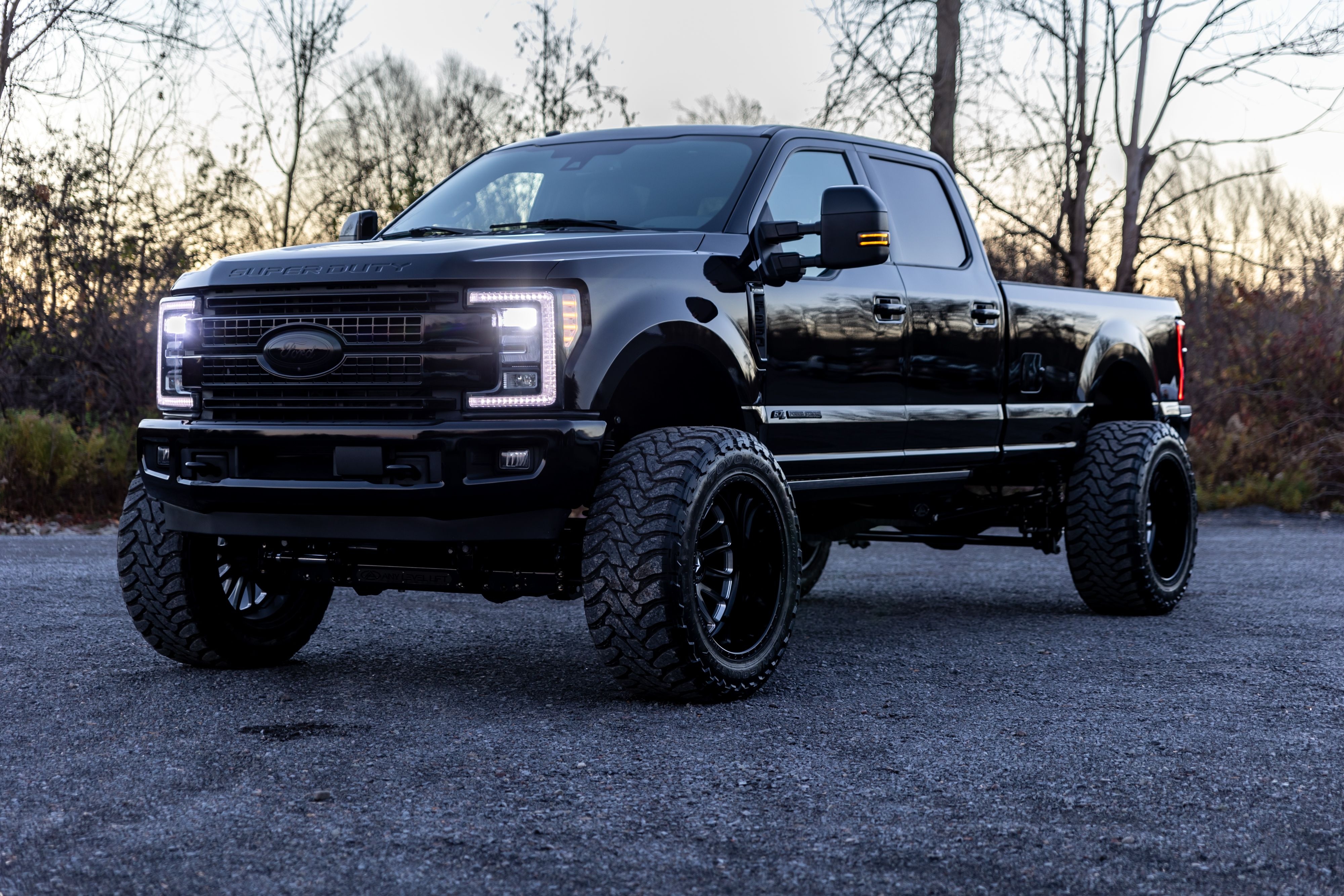
Finally, never underestimate the power of a clean undercarriage. For those driving used lifted trucks in climates where road salt or mud is common, the lift actually makes your frame and suspension more vulnerable to the elements by exposing more surface area.
Rust is the silent killer of custom 4x4s, often seizing up adjustable components and eating through shock bodies. A thorough high pressure wash of the wheel wells and frame rails after any adventure is the simplest way to prevent structural decay.
At Creekwood Motor Company, we take pride in the quality of our inventory. We want your truck to stay on the road, not in the service bay. By staying diligent with your lifted truck maintenance, you ensure that your lifted rig remains as capable and commanding as the day you drove it home.
Owning a custom pickup is a hobby as much as it is a mode of transportation, and a little bit of grease and a watchful eye go a long way in keeping your upcoming adventures worry free.