

Diesel vs. Gas in 2026: The Truth About Which Engine Actually Saves You Money
If you’re shopping for a heavy duty pickup truck in 2026, you have likely noticed that the "math" has changed quite a bit over the last few years. Between the ever changing fuel prices, the evolving landscape of emissions standards, and a used truck market that looks like it is finally beginning to stabilize, the old advice from five years ago might lead you into a financial trap.
At Creekwood Motor Company, we specialize in everything from high end luxury pickups to rugged, lifted custom 4x4 trucks. We see the repair bills, the trade in values, and the fuel receipts in our county and around the United States every day.
Is a diesel still the "king of the road," or is a modern high output gas burner the secret to keeping more cash in your pocket? Let’s dive into the cold, hard data for 2026.
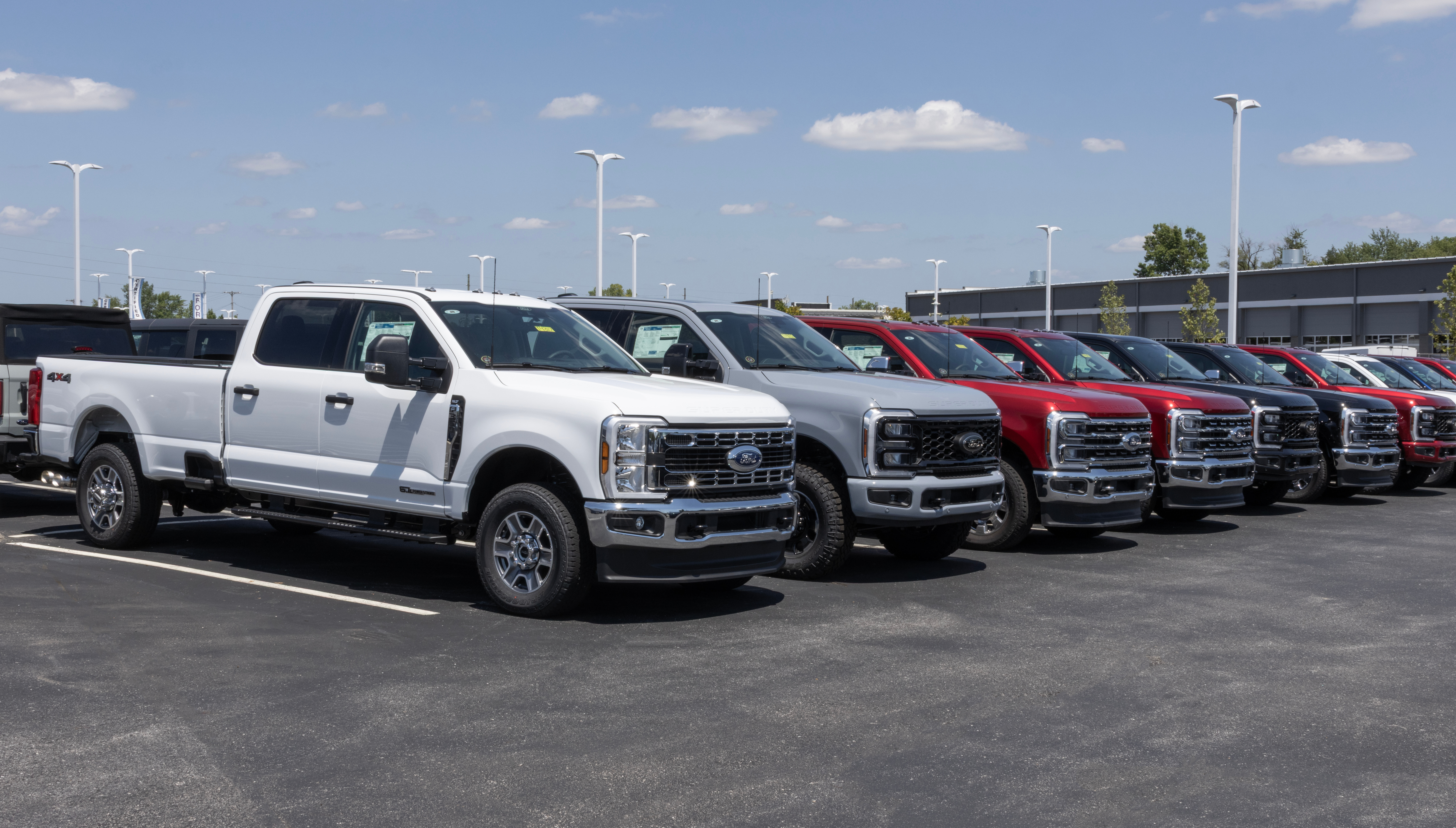
1. The "Entry Fee": Upfront Acquisition Cost
In the used market, the price gap remains significant. While 2026 market shifts have lowered the cost of new trucks slightly, the demand for proven used powerhouses keeps the "Diesel Premium" alive.
- Diesel: Expect to pay $8,000 to $12,000 more for a used Cummins, Power Stroke, or Duramax compared to the same truck with a gas engine.
- Gas: High output gas engines (like the 7.3L Godzilla or 6.4L HEMI) are more affordable upfront, leaving you with more money for upgrades like custom wheels, leveling kits, or aggressive off-road tires.
The Verdict: If you are financing, that $10k difference translates to roughly $175–$200 more per month in payments. You can explore our flexible truck financing options to see how these different price points impact your monthly budget.
2. Fuel Economy vs. Fuel Price: The 2026 Reality
The efficiency gap is real, but so is the price gap at the pump. As of early 2026, diesel and gas prices fluctuate, making the MPG "sweet spot" more important than ever.
| Truck Class | Engine Type | Avg. MPG (Unloaded) | Avg. MPG (Towing 10k+ lbs.) |
|---|---|---|---|
| 1/2 Ton (1500) | Gas (5.3L / 5.7L / 3.5L EB) | 16–20 MPG | 8–10 MPG |
| 1/2 Ton (1500) | Diesel (3.0L Duramax) | 24–28 MPG | 12–14 MPG |
| 3/4 Ton (2500) | Gas (6.4L / 6.6L / 7.3L) | 12–15 MPG | 7–9 MPG |
| 3/4 Ton (2500) | Diesel (6.7L / 6.6L) | 18–22 MPG | 11–13 MPG |
| 1-Ton+ (3500/4500) | Gas (7.3L / 6.6L) | 10–13 MPG | 6–8 MPG |
| 1-Ton+ (3500/4500) | Diesel (High Output / Dually) | 15–18 MPG | 10–12 MPG |
Key Takeaways for the Buyer
- The Towing Factor: When you’re empty, the gas truck is slightly more expensive to run. However, the moment you hook up a 15,000 lb trailer, the gas engine’s efficiency drops off a cliff. For those who tow weekly, our selection of 3/4 ton and 1-ton diesel trucks starts paying for itself the moment you hit the highway.
-
The 1/2 Ton Diesel Advantage: If you rarely tow more than 10,000 lbs but drive 40+ miles a day, the 3.0L Duramax 1500 is a literal "cheat code." It delivers SUV like fuel economy with enough grunt to pull a medium sized camper or boat with ease.
-
The 1-Ton Gas "Wall": While a 1-ton gas truck is a beast for payload, its fuel economy "hits a wall" when towing heavy. If you’re pulling a 10,000 lb load through the hills of Arkansas, a 1-ton diesel dually will not only be more efficient but much more composed.
-
The Speed Factor: Across all models, MPG drops significantly once you cross 70 MPH while towing. For the best "money saving" results, keeping your rig at 65 MPH can save you up to 15% in fuel costs over a long trip.
3. Maintenance: The "Silent Killer" of Budgets
This is where gas trucks usually win the "saving money" argument for the average driver. In 2026, maintenance for modern diesels remains complex:
- DEF & DPF: Used trucks from the 2011–2025 era still require Diesel Exhaust Fluid (DEF) and have Diesel Particulate Filters (DPF). A single DPF failure can be costly.
- Oil & Filters: A diesel oil change requires more oil and specialized filters. You’ll spend significantly more per service compared to a gas engine.
- Gas Simplicity: A gas truck’s oil change is roughly a third of the cost, and parts like spark plugs are easier to replace.
Pro Tip: If your daily commute is less than 15 miles, stay away from the diesel. Short trips prevent the exhaust system from "regenerating," leading to repair bills that wipe out your fuel savings (and your savings in general.)
4. Resale Value: The Diesel’s Secret Weapon
Why do people still pay the premium? Because of the "Million Mile" reputation. In 2026, a diesel truck with 150,000 miles is still considered "mid life," whereas a gas truck with the same mileage is often nearing its twilight years.
- Diesel: Typically retains 70–75% of its value after five years.
- Gas: Typically retains 55–60% of its value after five years.
When it’s time to trade in your truck at our dealership, that diesel badge on the fender usually means a much larger check in your hand.
The Final Showdown: Which One Saves You Money?
Buy a Gas Truck If:
- You drive less than 15,000 miles per year.
- You only tow a boat or camper a few times a year.
- Your truck is a "daily driver" for short commutes.
Check out our current heavy duty gas trucks inventory.
Buy a Diesel Truck If:
- You drive 25,000+ miles per year (mostly highway).
- You tow heavy loads (10k+ lbs) regularly.
- You want the highest possible resale value.
Browse our current used diesel trucks for sale in Searcy, AR.
Whether you need the raw towing torque of a lifted Cummins or the reliable, daily driver simplicity of a luxury Sierra Denali, we have the inventory to match your budget.
Ready to upgrade? Apply for financing online or visit us at Creekwood Motor Company to test drive your next lifted rig today!